Anatomy Coloring Book for students and practitioners
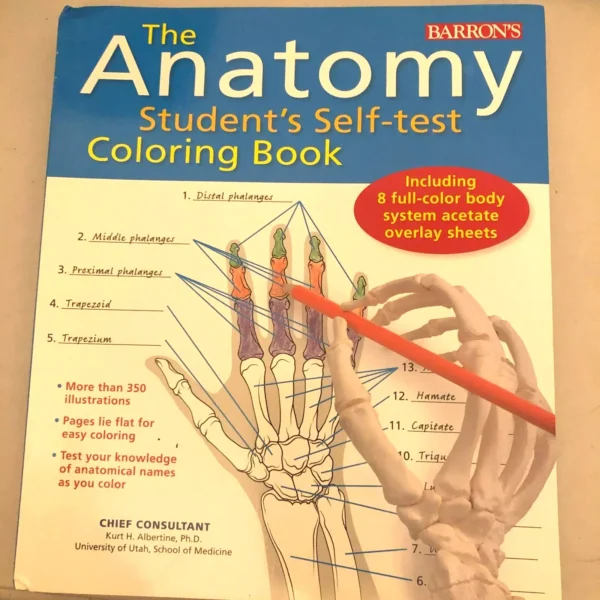
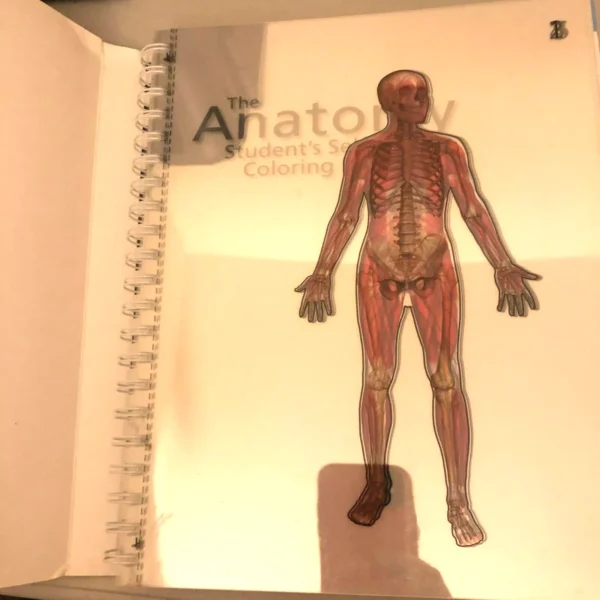
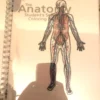
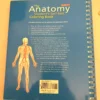
Barron’s Anatomy Student Self-Test Coloring Book NEW
Brand new
Perfect for medical students, nursing students, medical assisting students, biology students, or anyone looking to go into a medical field.
Very high quality, interactive book.
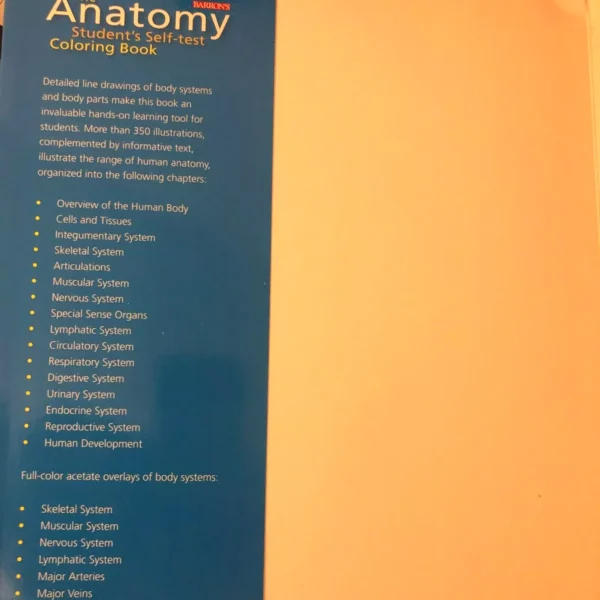
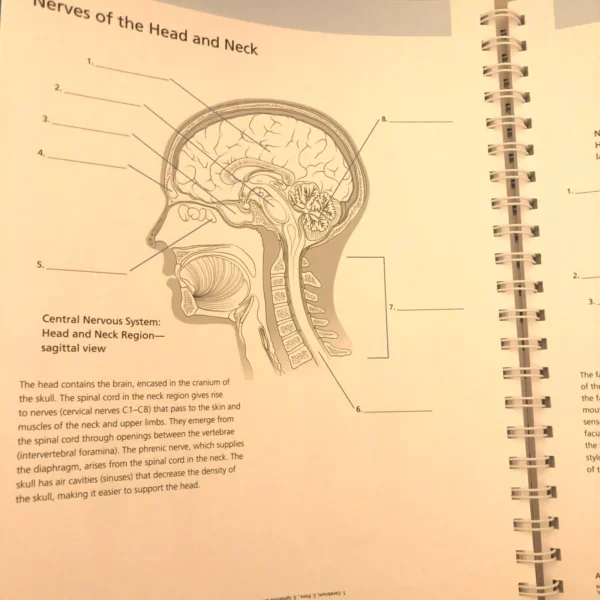
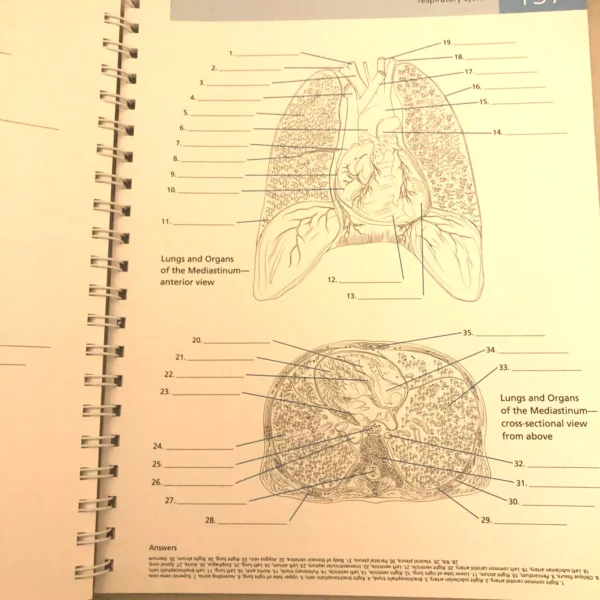
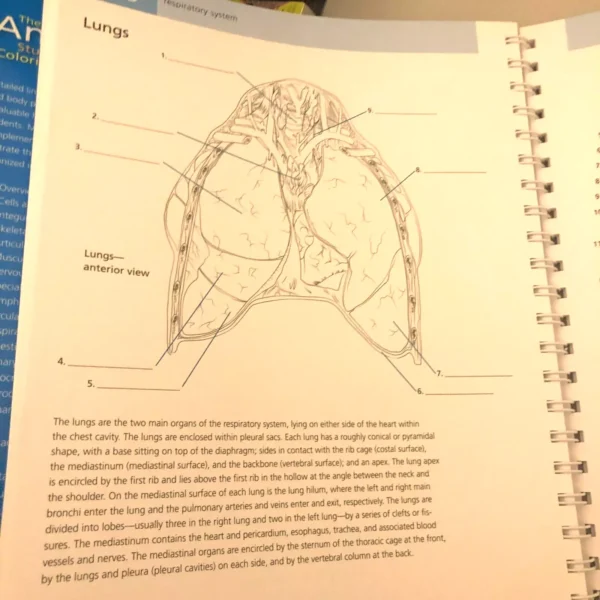
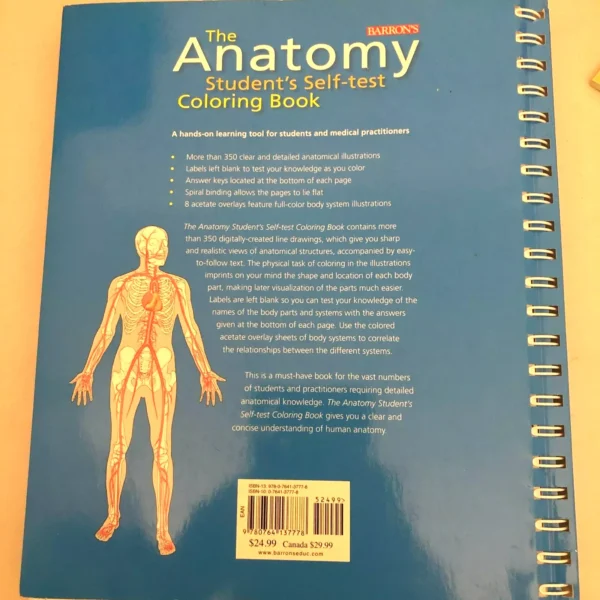
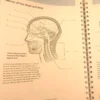
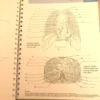
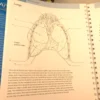
Learn human anatomy while you color! The Anatomy Student’s Self-Test Coloring Book includes hundreds of anatomically accurate line illustrations to help you learn the human body.
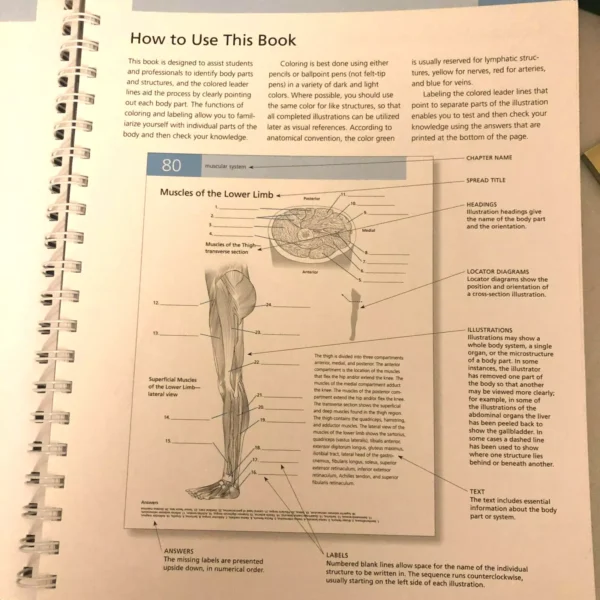
Coloring the anatomy systems helps you learn the shape and location of each body part, making it easier to visualize, retain the information. In addition to clear explanations and instructive content, it features 144 two-color pages that lie flat for easy coloring.
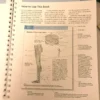
New to this edition: Clinical points text boxes to illustrate the medical significance of the structure under study
16 new pages of text
Extra-heavy paper that minimizes show-through
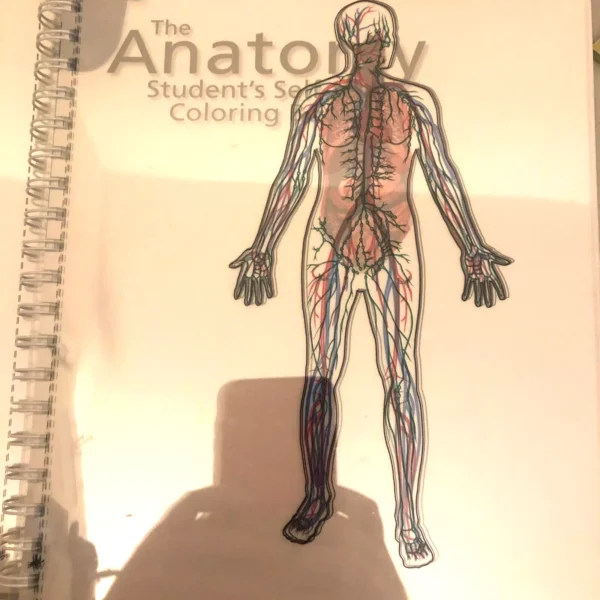
Includes every body system and part
All parts labeled with correct anatomical names
This book is a must-have learning tool for all students and practitioners who require detailed anatomical knowledge.
An anatomy coloring book can be an incredibly effective tool for learning human anatomy. By engaging multiple senses—visual, kinesthetic, and cognitive—it enhances memory retention and understanding. When coloring different anatomical structures, students must pay close attention to detail, which helps reinforce spatial relationships between different organs, muscles, and bones. This active involvement aids in the mastery of complex topics that might otherwise be challenging to visualize.
Coloring also encourages repetitive learning. As students color and label anatomical parts, they repeatedly engage with the material, which helps solidify knowledge. Additionally, the use of color can serve as a mnemonic device, allowing learners to remember parts of the anatomy more easily by associating them with specific colors.
For medical or biology students, using anatomy coloring books supplements traditional learning methods, providing an alternative, interactive approach to understanding the body’s structure. This approach works well for visual learners who benefit from breaking down complex information into digestible, colorful diagrams, making the learning process both effective and enjoyable.